
Every oil change on a European vehicle in Redmond generates used motor oil — and what happens to that oil after it leaves your engine is governed by Washington State environmental standards that most drivers never think about. Washington’s Department of Ecology administers used oil management regulations that cover how used oil must be stored, handled, transported, and recycled across the state.
Understanding what those standards require gives Eastside and King County drivers a meaningful lens for evaluating any auto repair shop they trust with their vehicle — and for appreciating why responsible oil management matters for the communities and water resources surrounding Redmond’s commercial corridors.
What Washington’s Used Oil Standards Require
Washington State’s used oil program — administered by the Washington Department of Ecology under the authority of Washington’s Dangerous Waste Regulations and the federal Resource Conservation and Recovery Act — classifies used motor oil as a regulated substance requiring specific handling, storage, and recycling protocols.
Used oil is not classified as hazardous waste when managed properly, but it becomes a hazardous waste when mixed with other regulated substances or disposed of improperly — making proper management a legal obligation for every auto repair facility operating in Redmond and King County.
Auto repair facilities that generate used oil must store it in properly labeled, intact containers, prevent mixing with hazardous substances, and arrange for collection by a registered used oil transporter or deliver it to an approved used oil collection facility. Facilities that generate significant volumes may be subject to additional reporting and management requirements under Washington’s tiered generator system.
The Washington Department of Ecology used oil program publishes the specific requirements, registered transporter lists, and collection facility information that Redmond and King County auto repair shops must follow to remain in compliance.
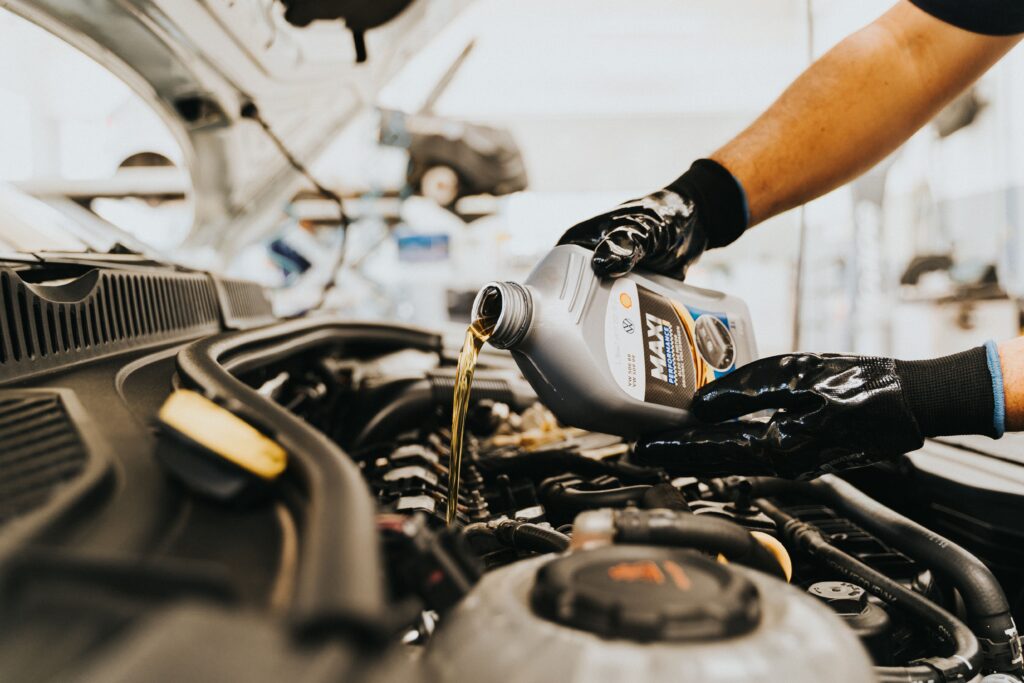
Why Used Oil Management Matters for Redmond and the Eastside
The environmental stakes of used oil management are particularly significant in the greater Redmond and Lake Washington watershed area. Used motor oil contains heavy metals, combustion byproducts, and chemical additives accumulated during engine service — contaminants that persist in soil and water and that pose significant risks to aquatic ecosystems when improperly disposed of.
One gallon of used motor oil can contaminate up to one million gallons of drinking water — a fact that underscores why Washington’s used oil regulations exist and why compliance by every Redmond area repair shop matters for the region’s water quality.
The Sammamish River and Lake Sammamish — both significant water resources in the Redmond area — drain watersheds that include the commercial and industrial corridors where auto repair shops operate. Stormwater runoff from improperly managed oil storage or spills creates contamination pathways that affect these water bodies directly.
The EPA’s used oil management resources document the environmental consequences of improper used oil disposal and the federal framework that Washington’s state program builds upon — reinforcing why responsible oil management is both a regulatory requirement and a community responsibility for Redmond area repair facilities.
What Responsible Used Oil Management Looks Like at a Professional Shop
Understanding Washington’s used oil standards gives Redmond and Eastside drivers specific observable practices to look for when evaluating any auto repair shop — indicators that the facility is managing its waste streams with the discipline that professional standards require.
Signs that a Redmond or Eastside auto repair shop is managing used oil responsibly include:
- Clearly labeled used oil storage containers stored in dedicated areas away from floor drains and storm drain access points
- No visible oil accumulation on shop floors, in parking areas, or near exterior drains — indicating active spill prevention and housekeeping practices
- Staff who can explain how used oil is collected and recycled — a shop that uses a registered Washington State used oil transporter is operating within the regulatory framework
- Oil filters stored in a drip rack or container before disposal — Washington regulations cover used oil filters as well as liquid used oil
- Antifreeze stored and recycled separately from used oil — proper segregation is a compliance indicator that reflects overall waste management discipline
The Washington State Department of Ecology’s spill prevention resources provide the broader compliance framework that responsible Redmond repair shops operate within — covering spill prevention, secondary containment, and the environmental stewardship practices that protect King County’s water resources.
What Redmond Drivers Should Ask Before Any Oil Change or Service
Understanding Washington’s used oil standards gives King County and Eastside drivers specific questions to ask any repair shop before authorizing service — questions that establish whether a facility is handling waste streams with the professional discipline that Washington’s environmental regulations require:
- How does the shop handle used motor oil — is it collected by a registered Washington State used oil transporter?
- Are used oil filters stored and disposed of separately from liquid used oil, as Washington regulations require?
- Does the shop have secondary containment for its used oil storage area to prevent spills from reaching floor drains?
- How does the shop handle used antifreeze — is it recycled separately from used oil?
- Has the shop had any Washington Department of Ecology compliance inspections, and are there any outstanding violations?
A shop that answers these questions transparently and specifically is one operating with the environmental accountability that Washington’s used oil program is designed to promote. The Washington Attorney General’s consumer protection resources provide the state-level framework for understanding what accountability looks like when auto repair facilities fall short of regulatory standards.
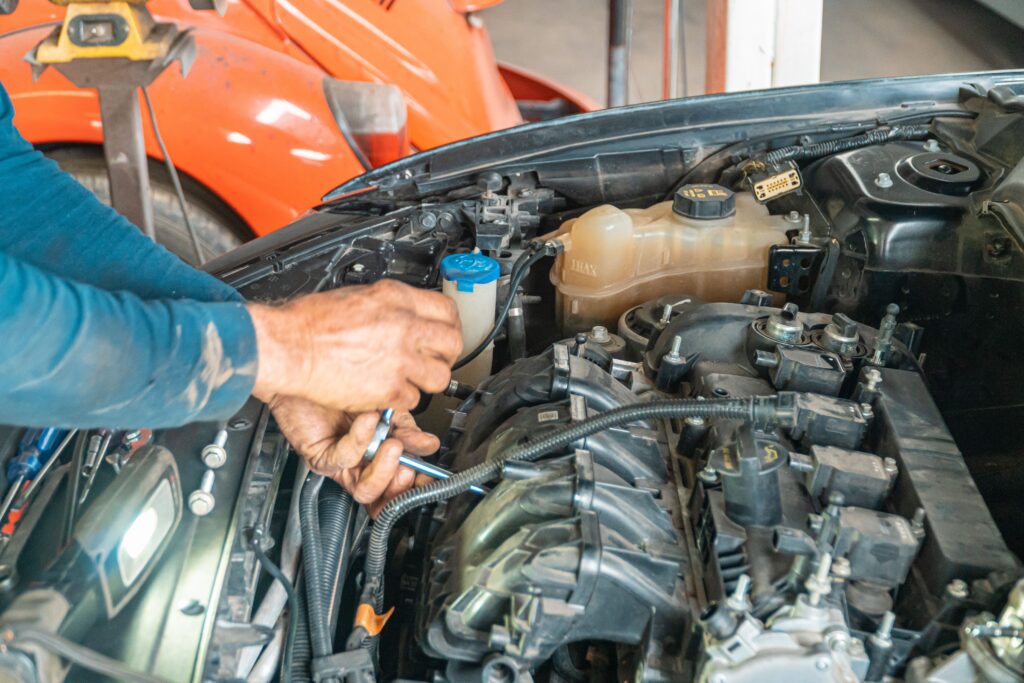
Redmond European Auto Repair That Takes Environmental Standards Seriously
Understanding Washington’s used oil standards gives Redmond and Eastside European vehicle owners a clearer picture of the environmental responsibility framework that surrounds every oil change — and a practical basis for choosing a shop that treats used oil management with the same professionalism it applies to the repair work itself.
European auto repair in Redmond serves Redmond, Bellevue, Kirkland, Seattle, Issaquah, Woodinville, Bothell, Sammamish, and the broader Eastside community with master technician expertise for Audi, BMW, Mercedes-Benz, Porsche, Volvo, and Volkswagen.
From brake service and chassis and steering work to electrical system diagnostics and routine maintenance, every service is backed by photo and video proof, clear pricing, and a 3-year/36,000-mile warranty. Connect with our team and experience European vehicle service from a Redmond shop that takes both the repair and the responsibility seriously.