
We see it every week here at Otto European Repair: a European car owner in Redmond feels that sinking moment when the check engine light comes on and the search for a trustworthy shop begins. Skill matters more than ever in modern auto repair, where a single vehicle can carry a dozen interconnected computer modules. Behind the technicians capable of handling that complexity sits a training pipeline most drivers never think about, the Washington State Apprenticeship and Training Council, known as WSATC.
Understanding how this council shapes the automotive workforce helps explain why some shops consistently diagnose problems correctly the first time, while others guess and replace parts until something works.
What the WSATC Actually Does
Washington’s apprenticeship statute establishes the WSATC as a state body that sets the framework for registered apprenticeship across the state. Housed within the Washington State Department of Labor & Industries, the council approves and oversees apprenticeship programs across dozens of trades, automotive technology among them. Its job is to make sure a “registered apprenticeship,” a formal, state-recognized training agreement combining paid on-the-job work with structured classroom instruction, actually meets a consistent standard.
That distinction matters. Not every technician who calls themselves trained went through a program with any oversight at all. A WSATC-registered automotive apprenticeship, by contrast, follows a defined curriculum, tracks hours logged under a qualified mentor, and requires documented progress before an apprentice advances, the same kind of accountability that shapes your rights as a Washington vehicle owner when a repair doesn’t go as planned.
Inside a Registered Automotive Apprenticeship
A typical program blends two components that reinforce each other throughout the apprenticeship.
On-the-Job Training and Related Instruction
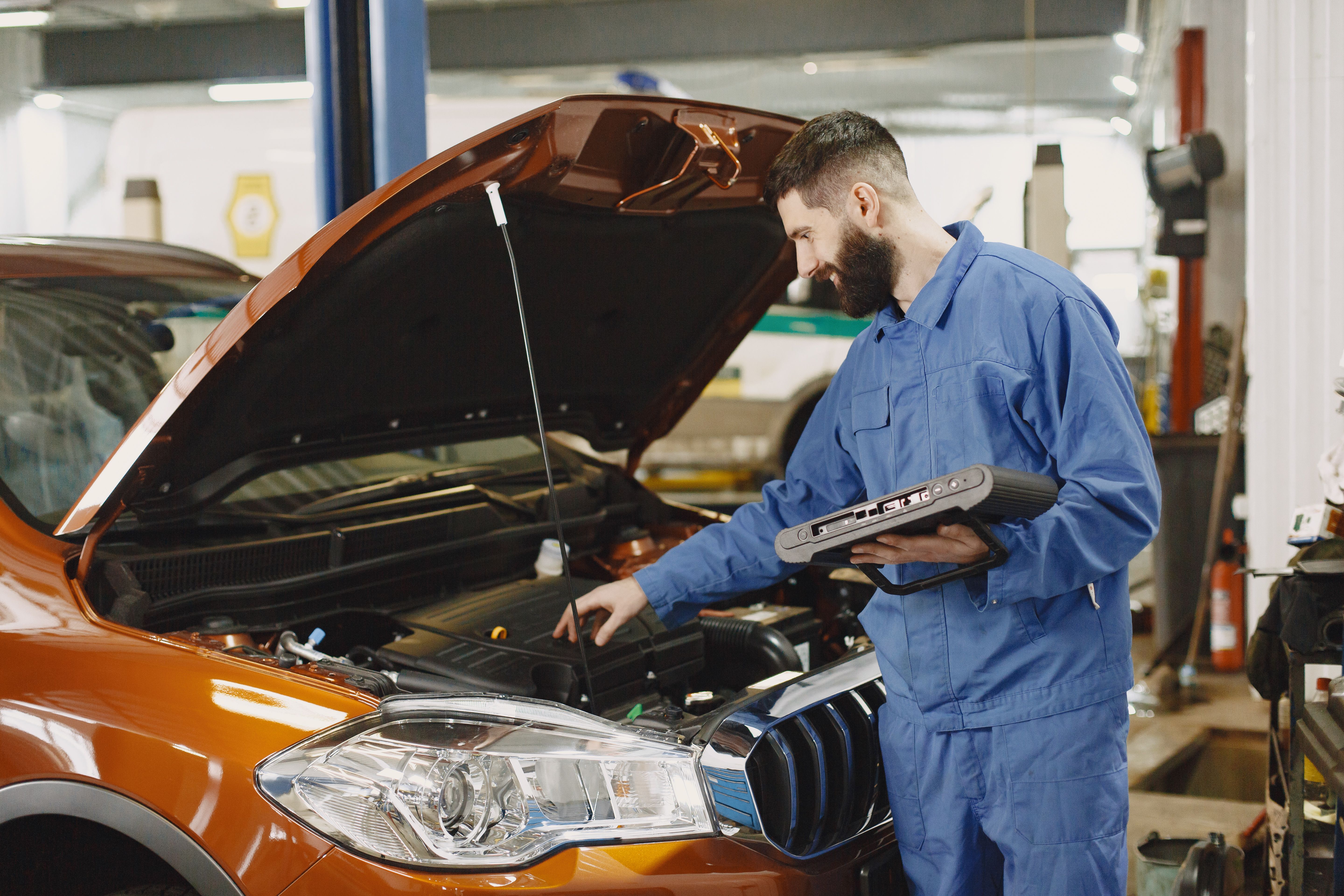
Apprentices spend the bulk of their hours working directly on vehicles under a certified journey-level technician, someone who has completed their own apprenticeship or equivalent experience and demonstrated full competency in the trade. Alongside that hands-on work, apprentices complete related supplemental instruction, classroom or lab coursework covering electrical systems, engine management, and diagnostic theory, often delivered through a community or technical college partner.
From Apprentice to Journey-Level Technician
As apprentices progress, they take on increasingly complex diagnostic work: intermittent electrical faults, emissions failures, and drivetrain issues that resist a simple parts-replacement fix. Many pair their apprenticeship with credentials from the National Institute for Automotive Service Excellence, widely known as ASE, an organization that builds its certification tests with working technicians and holds the industry’s most recognized benchmark of competence.
Why This Matters for Drivers in Redmond
Here in our Redmond service area, the vehicle mix skews heavily toward European makes, Audi, Mercedes-Benz, Porsche, Volkswagen, and Volvo among them, a reflection of the Eastside’s tech-driven economy and the commuters who spend long stretches on SR-520 and I-405 every day. These vehicles run sophisticated onboard diagnostic systems and manufacturer-specific software that punish guesswork. A technician who came up through a structured apprenticeship, rather than picking up skills piecemeal, tends to work faster and more accurately when a fault code doesn’t match a textbook answer.
We feel this workforce dimension too, and it affects wait times as much as repair quality. According to federal labor statistics, demand for automotive service technicians is projected to grow five percent between 2025 and 2035, generating roughly 66,200 job openings a year nationally, most from the need to replace technicians who retire or change careers. Shops that can’t recruit and retain trained technicians end up with longer scheduling backlogs, and Redmond drivers feel that delay directly when their daily commute depends on a reliable vehicle.
The Real Cost of an Undertrained Technician
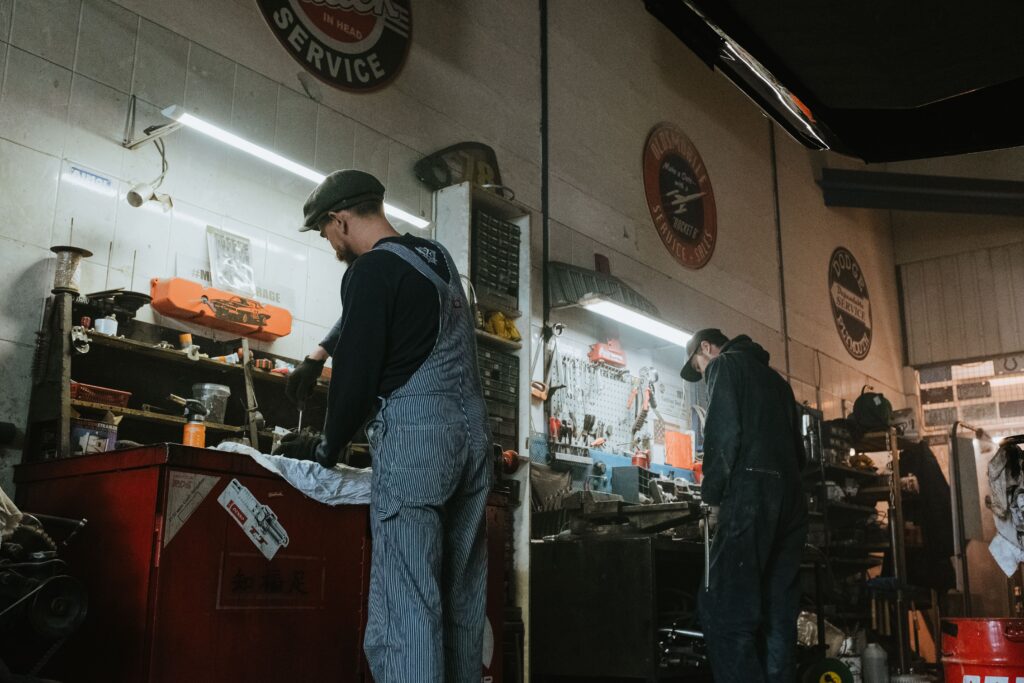
An apprenticeship pipeline exists precisely because on-the-job learning without structure produces uneven results. A misdiagnosed sensor fault can mean paying for parts that were never the problem, while the actual issue, whether it’s the brakes, the suspension, or something electrical, keeps recurring. For a European vehicle, where diagnostic missteps often carry a higher price tag than they would on a domestic economy car, that gap in training translates directly into your repair bill.
This is also where continuing education matters as much as the initial apprenticeship. Automakers update onboard software and diagnostic protocols constantly, and technicians who stop learning after their apprenticeship ends fall behind quickly on newer models. It’s why we keep training long after our own techs earn their credentials.
Choosing a Redmond Shop Built on Real Training
At Otto European Repair, we’ve watched the gap between trained and undertrained technicians play out in real customer outcomes, cars that come to us after a misdiagnosis elsewhere, and cars that leave us fixed right the first time. We specialize in European makes, including Audi, Mercedes-Benz, Porsche, Volkswagen, Volvo, Land Rover, and Jaguar, because factory-level diagnostic work on these vehicles rewards the kind of deep, ongoing training the WSATC apprenticeship model instills. Our technicians pursue continual manufacturer-specific and ASE training so that when your check engine light comes on, we’re diagnosing the actual problem instead of guessing at parts.
If you’re dealing with a stubborn dashboard warning, a transmission that hesitates, or you’re simply due for scheduled maintenance, we’d like to earn your trust the way we earn it from every Redmond and Bellevue customer, with accurate diagnostics and honest recommendations. Schedule your appointment, and let our team take a look at your vehicle.