
Overlake is the commercially significant and rapidly evolving district in Redmond, Washington, a mixed-use urban center straddling the border between Redmond and Bellevue whose concentration of technology campuses, transit infrastructure, retail destinations, and the dense residential development that has transformed it from a suburban office park into a genuine urban neighborhood gives it a civic and economic importance that rivals downtown Redmond itself.
Home to Microsoft’s sprawling corporate headquarters, the Overlake Transit Center, and the rapidly expanding light rail infrastructure that Sound Transit’s East Link extension brings to the district, Overlake represents the intersection of the technology economy, transit-oriented development, and the urban planning ambitions that have shaped Redmond’s evolution from a small agricultural community into one of the Seattle metropolitan area’s most significant technology hubs.
For Redmond residents, King County families, and anyone seeking to understand the urban geography and economic landscape of one of the Pacific Northwest’s most dynamic technology communities, Overlake provides an essential and revealing lens.
Microsoft’s Campus and Overlake’s Technology Identity
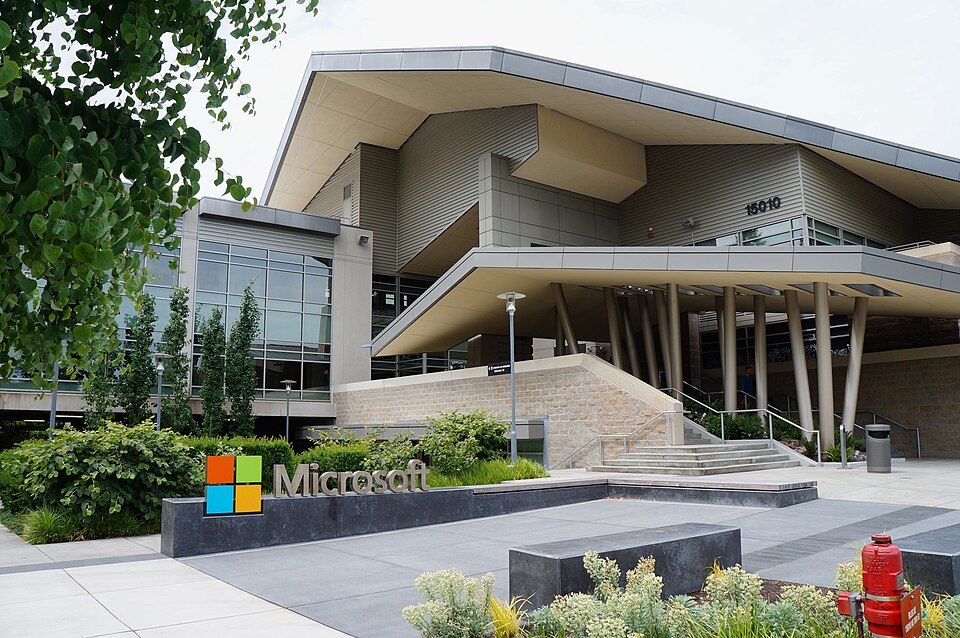
Overlake’s identity as Redmond’s second urban center is inseparable from Microsoft’s corporate presence, the technology giant whose main campus occupies more than 500 acres of the district and whose workforce of tens of thousands of employees gives the surrounding area its economic character, its residential density, and the commercial ecosystem of restaurants, retail, and services that has developed to serve the technology community the campus concentrates.
Microsoft’s Redmond campus, established in the 1980s as the company expanded beyond its original Bellevue offices, transformed what had been a relatively undeveloped suburban landscape into one of the most economically significant corporate campuses in the United States, a self-contained community whose internal street network, recreational facilities, and research buildings give it the character of a small city within the city.
The campus’s ongoing evolution includes the multibillion-dollar renovation and expansion project that has modernized its facilities, increased density, and improved pedestrian connectivity with the surrounding Overlake district, reflecting Microsoft’s commitment to maintaining a world-class corporate campus that attracts and retains the global technology talent whose presence drives the company’s competitive position.
The City of Redmond maintains the Overlake neighborhood planning documentation that governs development in the district, the municipal framework within which Microsoft’s campus expansion and the surrounding mixed-use development proceed in accordance with Redmond’s long-term urban planning vision.
East Link Light Rail and Transit-Oriented Development
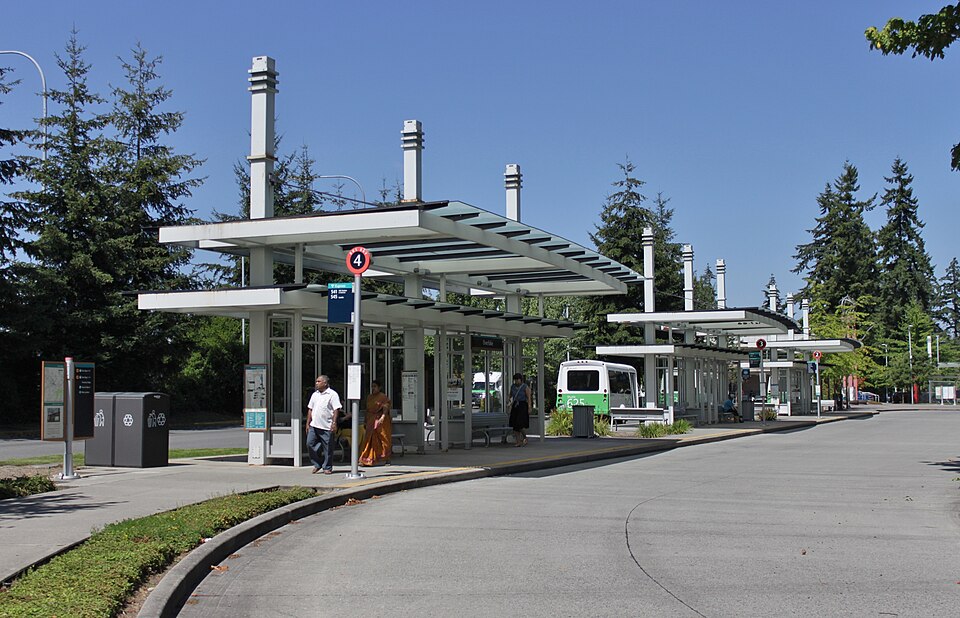
Overlake’s transformation from a suburban office park into a genuine urban center has been accelerated by Sound Transit’s East Link 2 Line, which opened to Overlake Village and Redmond Technology stations on April 27, 2024, extended to Downtown Redmond in May 2025, and reached full line service to Seattle on March 28, 2026, connecting the district to the broader Sound Transit network and to downtown Seattle, Bellevue, and the regional transit system that serves the entire Puget Sound metropolitan area.
The light rail infrastructure’s arrival in Overlake represents a significant transportation investment in Redmond’s history, giving the district a transit access level that supports the residential density, reduced parking requirements, and pedestrian-oriented development that characterize transit-oriented urban neighborhoods across the country.
The development activity that has concentrated around Overlake’s light rail stations reflects the transit-oriented development planning framework that the City of Redmond and King County have applied to the district, the planning approach that uses transit infrastructure investment to catalyze higher-density residential and commercial development within walking distance of stations.
The Sound Transit East Link provides current service information for the light rail line connecting Overlake to the regional transit network, the primary transportation resource for residents and workers whose daily commutes the East Link extension serves.
Overlake Village and Mixed-Use Development
The Overlake Village area represents the most visible expression of Redmond’s urban planning ambitions for the district, whose approved development plans envision a walkable neighborhood of apartment towers, ground-floor retail, public plazas, and the pedestrian-oriented street network that distinguishes genuine urban neighborhoods from the suburban office park character that Overlake once embodied.
The development projects concentrated in Overlake Village include thousands of residential units across multiple towers whose density reflects the transit access that the light rail station provides and the housing demand that the technology economy generates in the surrounding communities.
The Redmond Town Center retail hub reflects the same mixed-use urban development philosophy that Overlake Village embodies, both districts representing Redmond’s commitment to creating walkable, commercially active urban centers that serve the technology community’s residential and retail needs alongside the corporate campus infrastructure that defines the city’s economic character.
The retail and restaurant activity developing at the ground floors of Overlake Village’s residential towers gives the district the street-level activation that urban planners identify as essential to creating genuine neighborhood life rather than mere residential density.
Washington’s Climate and Overlake’s Outdoor Character
Washington’s temperate oceanic climate gives Overlake its distinctive outdoor character, the mild, wet winters and warm, dry summers that shape both the district’s built environment design and the seasonal patterns of outdoor activity that residents and workers experience across the calendar year. Redmond experiences an oceanic climate with mild summers averaging July highs near 79°F, cool winters with average January lows near 36°F, and approximately 37 inches of annual precipitation according to NOAA climate data for Redmond Washington.
The winter rainfall that characterizes the Seattle metropolitan area’s climate from October through April creates the covered pedestrian infrastructure, underground parking, and weather-protected public spaces that Overlake’s development has incorporated into its design, the built environment adaptations that allow the district’s outdoor plaza and retail environments to function year-round despite the region’s rainy season.
The summer dry season delivers Overlake’s most vibrant outdoor conditions — when the combination of warm temperatures, long daylight hours, and the absence of persistent winter rain creates the outdoor dining, plaza activation, and trail use patterns that give the district its an appealing seasonal character.
The Marymoor Park recreation complex in Redmond anchors the outdoor recreation landscape surrounding Overlake, its trails, athletic fields, and the Bear Creek corridor giving the district’s growing residential population the natural amenity access that complements Overlake’s urban density.

Overlake’s Role in Redmond’s Urban Future
Overlake’s significance to Redmond extends beyond its current commercial and residential character into its role as the proving ground for the city’s urban planning ambitions, the district where Redmond’s vision of a technology-oriented, transit-connected, pedestrian-friendly urban center is being tested against the practical realities of development economics, community preferences, and the infrastructure investment that genuine urban transformation requires.
The district’s evolution from suburban office park to mixed-use urban center represents one of the an ambitious and closely watched urban transformation project in the Pacific Northwest, its outcomes shaping not only Redmond’s future but the broader regional conversation about how technology-dominated suburban communities can evolve into more genuinely urban places.
The Jerry Baker Velodrome reflects the same community investment in specialized civic infrastructure that Overlake’s light rail stations and mixed-use development represent — both anchoring the community identity of a city whose civic ambitions extend from technology-campus urbanism to the athletic and recreational programming that gives Redmond its distinctive quality of life.
For King County residents and anyone exploring the urban development and community character of Redmond Washington, Overlake remains the consequential and rapidly evolving urban district in one of the Pacific Northwest’s a dynamic and economically significant technology community.